
Equipment · Jaipur district, Rajasthan
Protected cultivation equipment for Jaipur farms
By Editorial Team, Kryzen Biotech · Updated 13 November 2026
Jaipur needs protected-cultivation equipment that deals first with extreme dry heat and sun: May averages 41.6°C in the afternoon, with solar energy at 7.2 kWh/m²/day. A well-planned fan-and-pad house can bring this peak condition to about 30°C, while naturally ventilated houses need dependable roof ventilation, side curtains and shading rather than a closed, overheated structure.
- Pad cooling
- Works: ~30°C inside
- Humid months
- Few
- Shading need
- High
- Delivery
- ~5 days
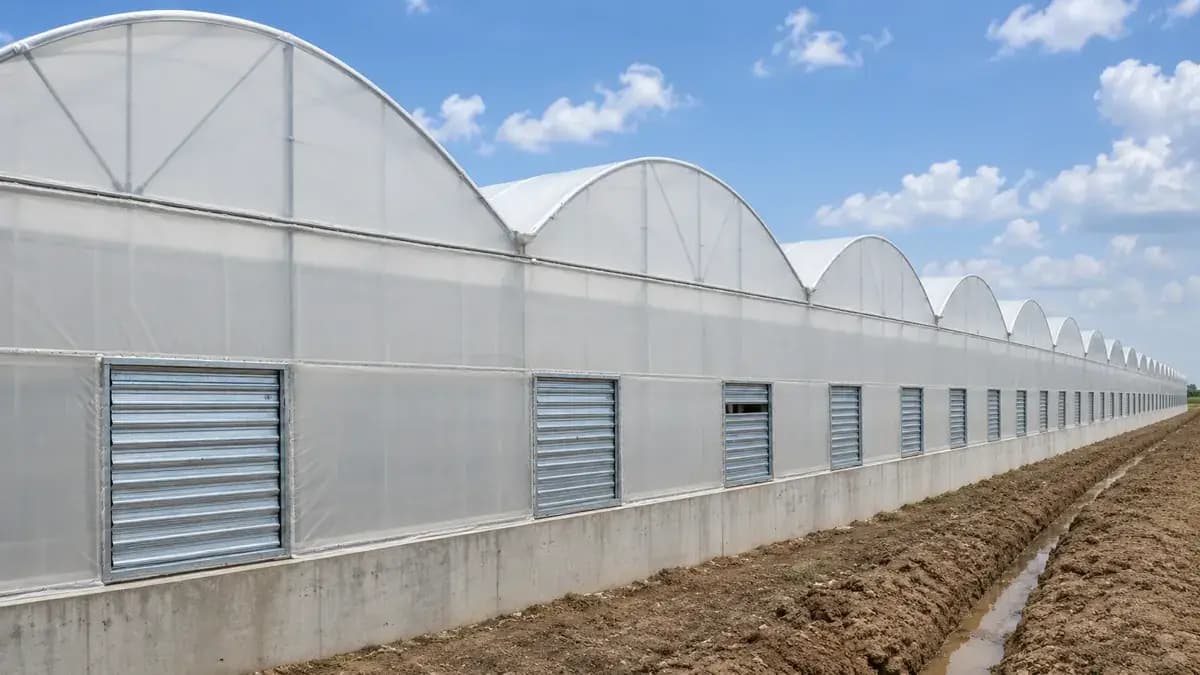
What Jaipur weather asks of a polyhouse or nethouse
The equipment choice in Jaipur should follow the long hot season, not just the monsoon. Afternoon highs rise from 32.3°C in March to 38.3°C in April, 41.6°C in May and 40.5°C in June. Relative humidity stays very low through March to May—27%, 21% and 23%—so solar heat and dry air are the main pressure on crops and workers inside a covered structure.
May is the strongest-sun month, at 7.2 kWh/m²/day. Use shading as an operating tool during the peak rather than treating it as an afterthought. Aluminium reflective shade net or double-layer net is suited to this priority. Air movement also matters: roof vents and side curtains let the dry air move through a naturally ventilated polyhouse, while circulation fans can be chosen as an upgrade for either NVPH or fan-and-pad houses.
Rain protection still needs attention. Jaipur receives 524 mm annually, with 158 mm in July and 172 mm in August. Standard gutters are appropriate for this rainfall pattern, but they should be kept clear before the July–August rains. Winter has a different requirement: January’s average night low is 6.8°C and December’s is 8.7°C. The local equipment priority is not additional night equipment; it is sensible curtain operation and avoiding unnecessary heat loss at night.
- Cooling: exhaust fans and cellulose pads for the most demanding summer conditions.
- Air movement: roof vent and curtains in an NVPH, with circulation fans where required.
- Shading: aluminium or double-layer net for intense May sun.
- Rain: standard gutters, funnels and a maintained drainage path before monsoon.
| Need | For Jaipur | Why |
|---|---|---|
| Cooling | Exhaust fans + cellulose pads | Pads bring 42°C to ~30°C in May |
| Air movement | Roof vent + curtains | Air is dry most of the year |
| Shading | Aluminium or double-layer net | Sun peaks at 7.2 kWh/m² in May |
| Rain | Standard gutters | 524 mm a year |
| Nights | No extra need | — |
Plan equipment around the actual 12-month cycle
Do not size a system using only a pleasant winter-day temperature. January averages 22.3°C in the afternoon and 6.8°C at night; April already reaches 38.3°C by afternoon; and June combines 40.5°C heat with 61 mm rain. By July and August, humidity rises to 62% and 73%, respectively, alongside the year’s heaviest rainfall. This shift changes the daily use of curtains, vents, pads and drainage.
The month-by-month table below is useful when deciding between a nethouse, naturally ventilated polyhouse and fan-and-pad system. It also helps a farmer plan crop operations: keep the house open for air movement when conditions permit, use shading through the high-sun period, and check water-management equipment before the humid monsoon months.
- March–June: heat, sun and ventilation are central.
- July–September: inspect gutters, skirting and drainage; humidity is higher than the rest of the year.
- December–January: manage openings carefully during cold nights.
| Month | Afternoon high | Night low | Humidity | Rain | Sun (kWh/m²/day) | Wind (m/s) |
|---|---|---|---|---|---|---|
| Jan | 22.3°C | 6.8°C | 36% | 5 mm | 4 | 1.6 |
| Feb | 26.3°C | 9.8°C | 32% | 10 mm | 5.1 | 1.8 |
| Mar | 32.3°C | 15.5°C | 27% | 10 mm | 6.2 | 2 |
| Apr | 38.3°C | 21.9°C | 21% | 10 mm | 7 | 2.3 |
| May | 41.6°C | 26.8°C | 23% | 18 mm | 7.2 | 3.1 |
| Jun | 40.5°C | 28.7°C | 38% | 61 mm | 6.5 | 3.2 |
| Jul | 35.8°C | 26.5°C | 62% | 158 mm | 5.3 | 2.8 |
| Aug | 33.1°C | 24.5°C | 73% | 172 mm | 5 | 2.3 |
| Sep | 33.7°C | 22.5°C | 64% | 63 mm | 5.5 | 2 |
| Oct | 33.1°C | 18.5°C | 43% | 10 mm | 5.3 | 1.6 |
| Nov | 28.5°C | 13.7°C | 35% | 4 mm | 4.2 | 1.5 |
| Dec | 23.9°C | 8.7°C | 35% | 3 mm | 3.8 | 1.5 |
Does fan and pad cooling make sense in Jaipur?
Technically, Jaipur is a strong use case for fan-and-pad cooling because the summer air is dry. In May, when the average high is 41.6°C and humidity is 23%, cellulose pads with exhaust fans are expected to bring the temperature from roughly 42°C to about 30°C. This is a meaningful reduction for a crop that needs a more controlled daytime environment than a nethouse can provide.
Whether it pays for an individual farm cannot be answered from temperature alone. It depends on crop choice, crop timing, power availability, water management, operating discipline and the price realised at sale. A fan-and-pad system adds equipment and maintenance, so it is better suited to a plan that uses its cooling capacity through the hot months than to a structure that will remain lightly used in May and June.
For scale reference, a 52 × 76 m fan-and-pad house is 3,952 m² and uses 12 exhaust fans and 82 cellulose pads. The listed material figure for this example, including GST, is ₹32,48,775. This is a sizing example, not a quote for every plot; the final equipment list must follow the structure design.
- Choose fan and pad when May–June crop conditions justify active cooling.
- Choose an NVPH where roof ventilation, roll-up curtains, insect net and shading suit the crop plan.
- A square or curved nethouse uses shade net but does not use exhaust fans or cellulose pads.
- Fan & pad house, 52 × 76 m
- 3,952 m²
- Exhaust fans
- 12 nos
- Cellulose pads
- 82 nos
- Material incl. GST
- ₹32,48,775
Equipment and current listed item prices
Polyhouse Constructions supplies complete material kits and individual parts for naturally ventilated polyhouses, fan-and-pad polyhouses, square nethouses and curved nethouses. A complete kit can include GI structure, polyfilm, nets and fittings. The cards below show listed equipment prices; GST is additional where shown. Rates follow weekly GI and plastic rates and are updated every Friday, so use the current online item list when building a requirement.
For a Jaipur fan-and-pad house, the core equipment is the exhaust fan, cellulose pad and aluminium pad frame. For an NVPH, side insect net, manual roll-up curtain units, curtain pipe and clamps allow controlled side ventilation. White diffused 250-micron polyfilm is used in NVPH and fan-and-pad houses; 50% white shade net can be used across systems, while aluminium shade net is an optional reflective upgrade.
The online kit builder shows every item, quantity and that week’s rate. A 5% bulk discount applies on 10 or more units of an item. If a farmer needs only a replacement fan, pad, net, spring or clamp, individual material is available rather than requiring a full structure order.
- Exhaust Fan: ₹22,700 per piece + GST.
- Cellulose Pad (600X150X1800): ₹2,616 per piece + GST.
- Aluminium Pad Frame (150 mm): ₹815 per metre + GST.
- Air Circulation Fan: ₹8,999 per piece + GST.
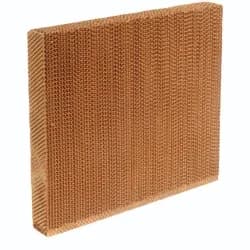
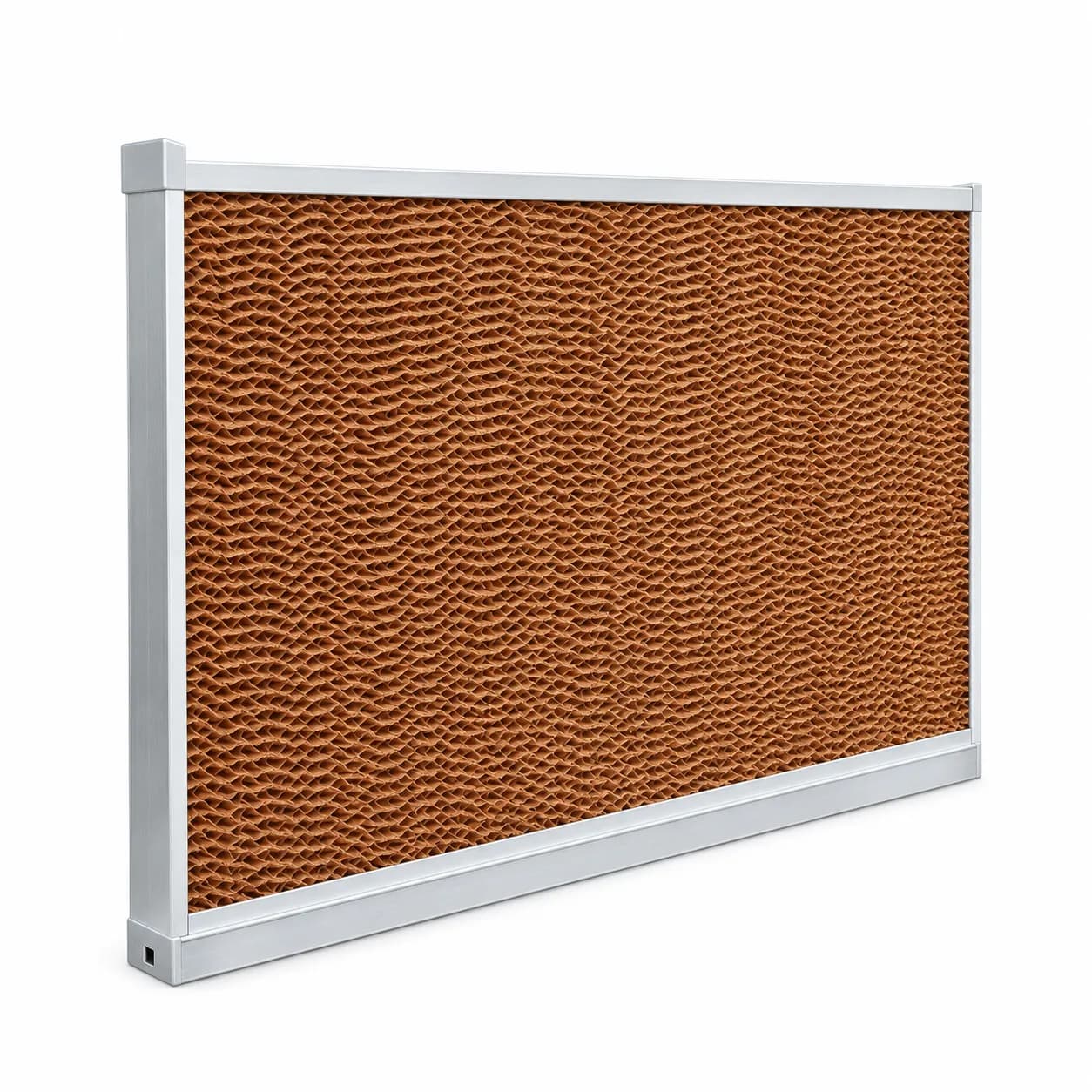
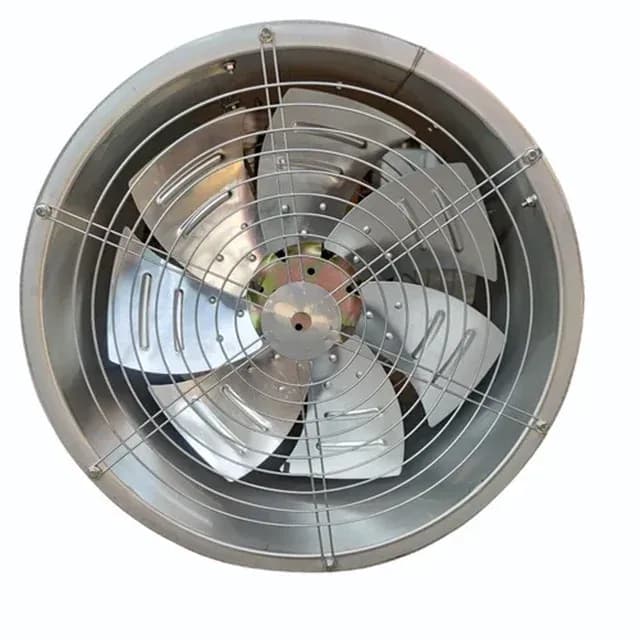
Covering, ventilation and rain details that should not be skipped
Cooling equipment cannot compensate for poor covering or blocked ventilation. For a naturally ventilated polyhouse, use the side insect net together with roll-up curtain equipment so the side opening can be adjusted as the day changes. The Manual Gear Roll Up Curtain Unit is listed at ₹1,050 per piece + GST; Curtain Pipe (27X2.0X6000) is ₹758 per piece + GST; Side Insect Net (5.2 m) is ₹221 per metre + GST; and the 0.75-inch curtain clamp is ₹11 per piece + GST.
For the high solar load, the listed White Shade Net 50% is ₹27 per metre + GST, while Aluminium Shade Net (4 m) is ₹315 per metre + GST. The white diffused 250-micron polyfilm is UV stabilised and supplied at ₹254 per metre + GST for the 4.5 m product. The correct selection depends on the system and crop, not simply on the lowest per-metre rate.
Monsoon rain is concentrated enough to make gutter parts practical even though Jaipur is not a very high-rainfall location. GI Gutter Sheet is listed at ₹335 per metre + GST, Gutter Funnel at ₹1,350 per piece + GST, and Side Skirting Apron (1.5 m) at ₹64 per metre + GST. Check that runoff does not collect beside the structure.


A Jaipur maintenance calendar for cooling and structure
Before May, wash or replace cellulose pads, clean the pad gutter and filter, and inspect each exhaust-fan belt and shutter. This should be completed before the average afternoon high reaches the 41.6°C May peak. Waiting until the first extreme hot spell risks running a cooling system with reduced airflow or poor water distribution.
During the dry season, tighten clamps and bolts, inspect GI springs seated in aluminium profiles, and look for damage to film and nets. Order replacement material before the next operating season rather than after a tear becomes larger. Before July, clear gutters and funnels so the 158 mm July and 172 mm August rainfall can move away without overflow.
For winter, review how and when curtains are closed around the December and January nights. The aim is practical control of openings, not a claim that a separate night-heating package is necessary for Jaipur.
- 1
Before May
Wash or replace cellulose pads, clean the pad gutter and filter, and check every exhaust fan belt and shutter before the 42°C peak.
- 2
Dry season
Tighten clamps and bolts, check GI springs in the aluminium profiles, and order replacement film or net before the next season.
Quality checks, warranties and construction responsibility
A supplied structure should be traceable from design to dispatch. Polyhouse Constructions is a manufacturer and a venture of Kryzen Biotech Pvt Ltd, with in-house engineering and manufacturing. GI pipes are ISI-marked branded steel from Tata, Jindal and JSW. Every part is cut and drilled to the drawing, and the company uses a 32-point QA checklist for every part.
Ask for the lab test certificate and technical data sheet supplied with dispatch. The listed tests cover tensile strength of GI pipe steel through a third-party lab, salt-spray resistance of the zinc coating, and chemical analysis of steel composition by spectrometer. Warranty is 15 years on the GI structure, 2.5 years on polyfilm and 3 years on shade and insect nets.
Material is supplied from the factory at Degaon on the Pune–Bangalore Highway, Tal. Wai, Satara, Maharashtra. Jaipur delivery is stated as 5 days after dispatch. Polyhouse Constructions does not claim a Jaipur office; construction and erection are carried out by Kryzen Biotech’s construction team. Booking requires 5% advance and 95% before dispatch.

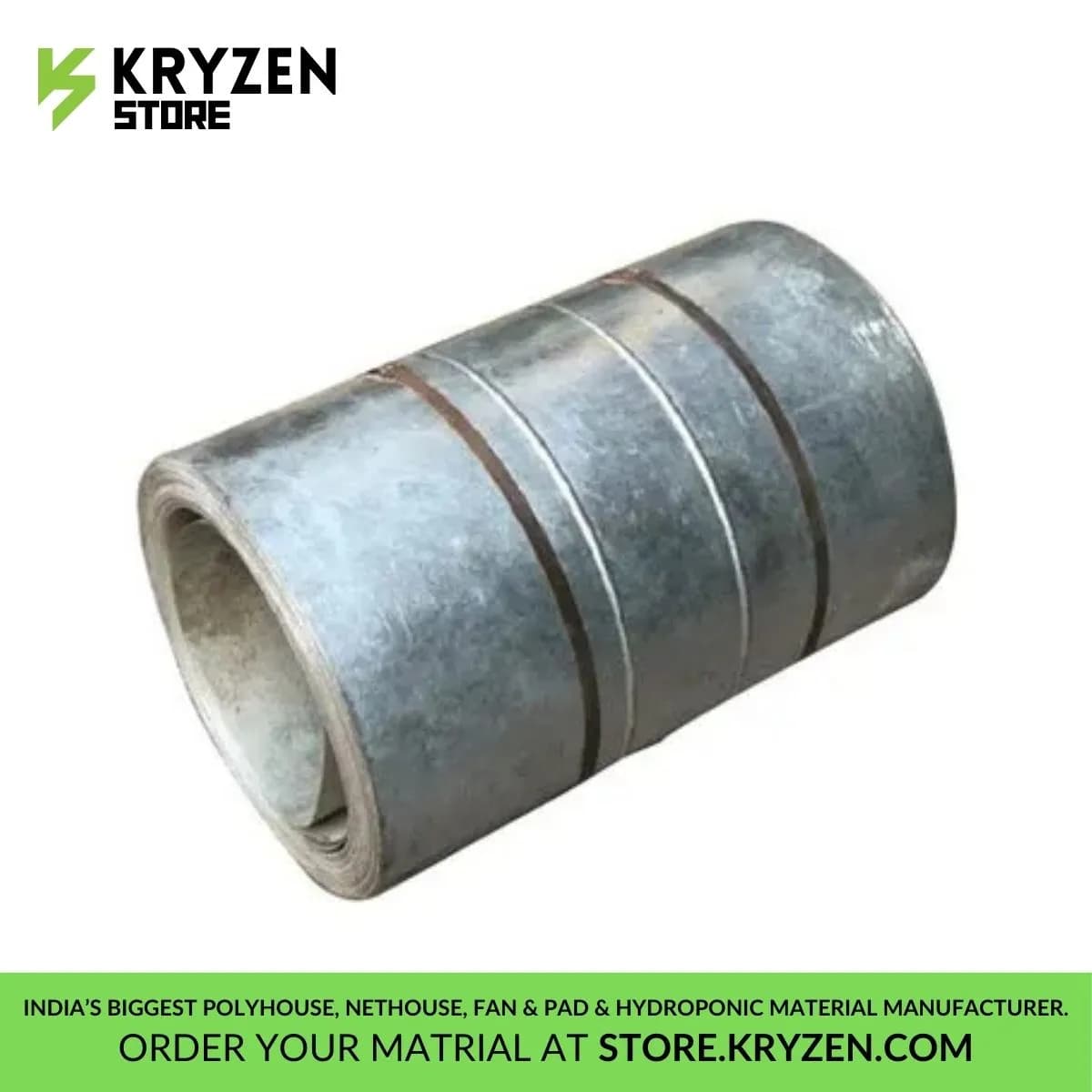
Tensile test
Strength of the GI pipe steel, by a third-party lab.
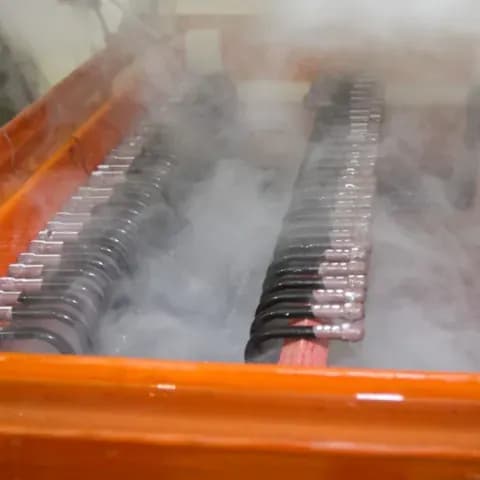
Salt spray test
Corrosion resistance of the zinc coating.
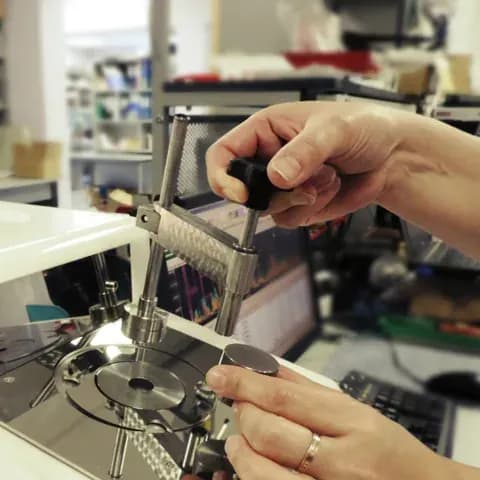
Chemical analysis
Spectrometer check of the steel composition.
| Part | Warranty |
|---|---|
| GI structure | 15 years |
| Polyfilm | 2.5 years |
| Shade and insect nets | 3 years |
Crop timing and Jaipur mandi signals
Protected cultivation should start with a market plan as well as an equipment plan. Jaipur district market data covers outlets including Jaipur (F&V) APMC, Chomu FV APMC and Bassi APMC. Prices are historical modal-price signals, not assured farm-gate returns, but they can help a farmer examine whether planned harvest months match a stronger local market period.
Examples vary sharply by crop. Tomato’s highest month in the data is August at ₹3,425/q and its lowest is February at ₹967/q. Cucumber is highest in July at ₹2,480/q and lowest in April at ₹1,388/q. Green chilli peaks in February at ₹3,665/q and is lowest in May at ₹1,580/q; bhindi peaks in December at ₹5,251/q and is lowest in May at ₹2,025/q. These patterns are worth comparing with the cost of summer cooling and the intended crop calendar before selecting the system.
- Check harvest timing against market demand, not only the annual average.
- Use the figures as district-market history; they do not guarantee the next season’s rate.
- Jaipur-area growers can also coordinate supply planning with nearby Phulera, Reengus, Sambhar and Shahpura (Jaipur area).
| Crop | Markets | Average modal price | Highest month | Lowest month |
|---|---|---|---|---|
| Tomato | 9 | ₹2,046/q | Aug (₹3,425) | Feb (₹967) |
| Cucumber | 7 | ₹2,082/q | Jul (₹2,480) | Apr (₹1,388) |
| Bottle gourd | 7 | ₹1,469/q | Sep (₹1,845) | Apr (₹1,030) |
| Green chilli | 7 | ₹2,680/q | Feb (₹3,665) | May (₹1,580) |
| Cauliflower | 7 | ₹2,369/q | Jul (₹3,417) | Jan (₹1,214) |
| Brinjal | 7 | ₹1,731/q | Nov (₹2,253) | May (₹1,304) |
| Cabbage | 7 | ₹1,299/q | Nov (₹2,201) | Mar (₹657) |
| Okra (bhindi) | 7 | ₹3,425/q | Dec (₹5,251) | May (₹2,025) |
| Bitter gourd | 6 | ₹2,936/q | Feb (₹4,176) | May (₹1,739) |
| Spinach | 5 | ₹1,556/q | Sep (₹2,438) | Feb (₹937) |
Buy from India's biggest CEA manufacturing company
Choose your structure and size and get the complete material list, priced this week.
FAQs
Which protected-cultivation equipment is most important for Jaipur’s May heat?
For a fan-and-pad house, exhaust fans, cellulose pads and pad frames are the key cooling equipment. For an NVPH, roof ventilation, roll-up curtains and shading are especially important because May averages 41.6°C with solar energy of 7.2 kWh/m²/day.
Can fan and pad cooling reduce Jaipur summer temperature?
Yes. The supplied climate guidance states that pads can bring roughly 42°C conditions to about 30°C in May. Whether the system is financially suitable depends on the crop plan, power and water operation, and selling price; it is not guaranteed by the temperature reduction alone.
What is the price of an exhaust fan and cellulose pad?
The listed Exhaust Fan price is ₹22,700 per piece + GST. A Cellulose Pad (600X150X1800) is listed at ₹2,616 per piece + GST; rates follow weekly GI and plastic rates and are updated every Friday.
How should I prepare a Jaipur polyhouse before monsoon?
Before July, clear gutters and funnels and inspect drainage, because Jaipur averages 158 mm rain in July and 172 mm in August. Also inspect side skirting and covering so rainwater does not enter or stand alongside the structure.
Can I buy a replacement net, fitting or fan without buying a complete kit?
Yes. Individual fans, pads, nets and fittings are sold separately at the weekly rate for repairs and extensions. Complete kits are also available, with every item and quantity visible when the kit is built online.
Equipment supply near Jaipur
Nearby towns on the same route, and whether pad cooling works there.
| Town | From Jaipur | Pad cooling | Humid months | Hottest month |
|---|---|---|---|---|
| Equipment supplier in Phulera | ~70 km | Works (~30°C) | 0 | May, 41°C |
| Equipment supplier in Reengus | ~70 km | Works (~29°C) | 0 | May, 41°C |
| Equipment supplier in Shahpura (Bhilwara area) | ~70 km | Works (~30°C) | 0 | May, 43°C |
| Equipment supplier in Shahpura (Jaipur area) | ~70 km | Works (~30°C) | 0 | May, 42°C |
| Equipment supplier in Sambhar | ~80 km | Works (~30°C) | 0 | May, 41°C |
| Equipment supplier in Sri Madhopur | ~80 km | Works (~29°C) | 0 | May, 41°C |