
Naturally Ventilated Polyhouse guide
NVPH vs regular (open-field) farming
By Editorial Team, Kryzen Biotech · Updated 12 November 2026
An open field costs nothing to cover, but the weather decides your harvest. An NVPH adds a one-time cost in return for control over rain, pests and season. Here is the trade-off, point by point.
Side by side
| Point | Open field | NVPH |
|---|---|---|
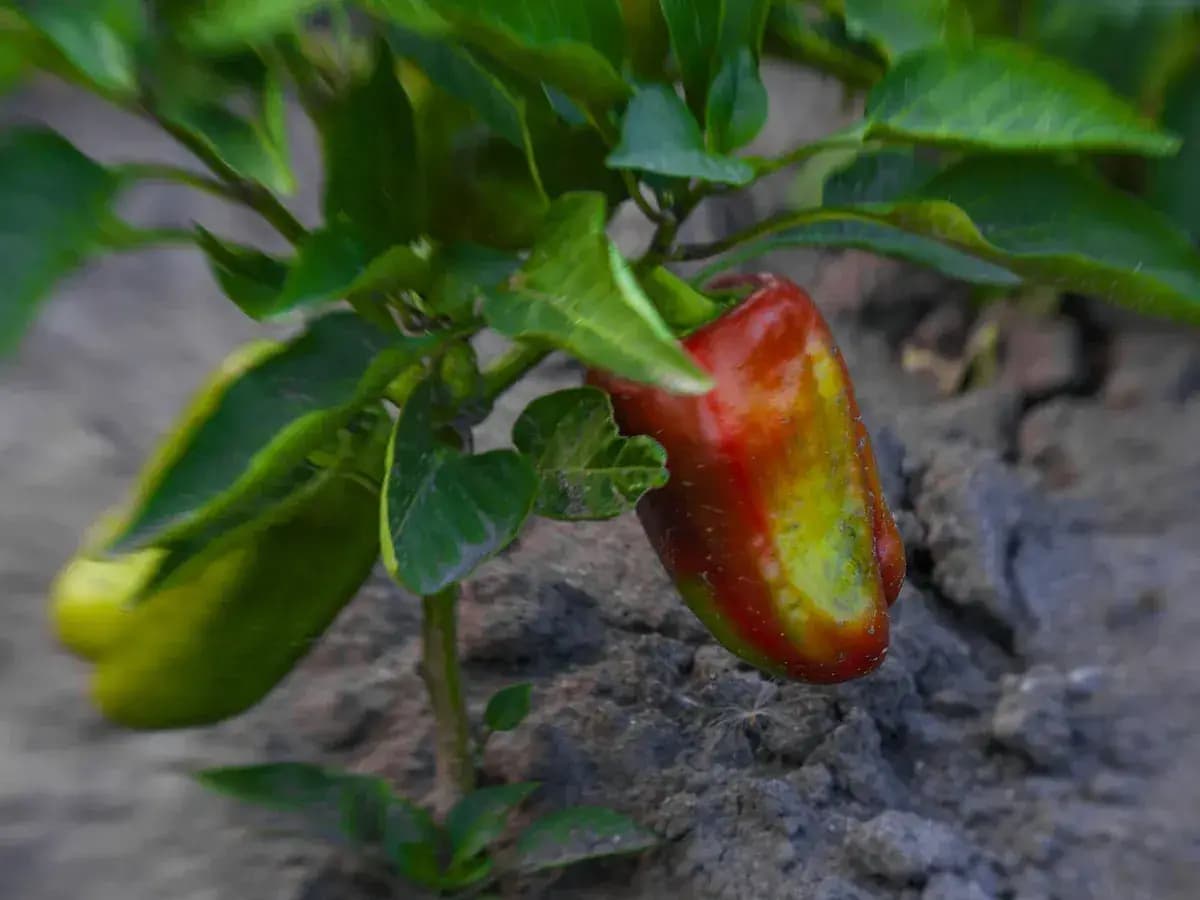
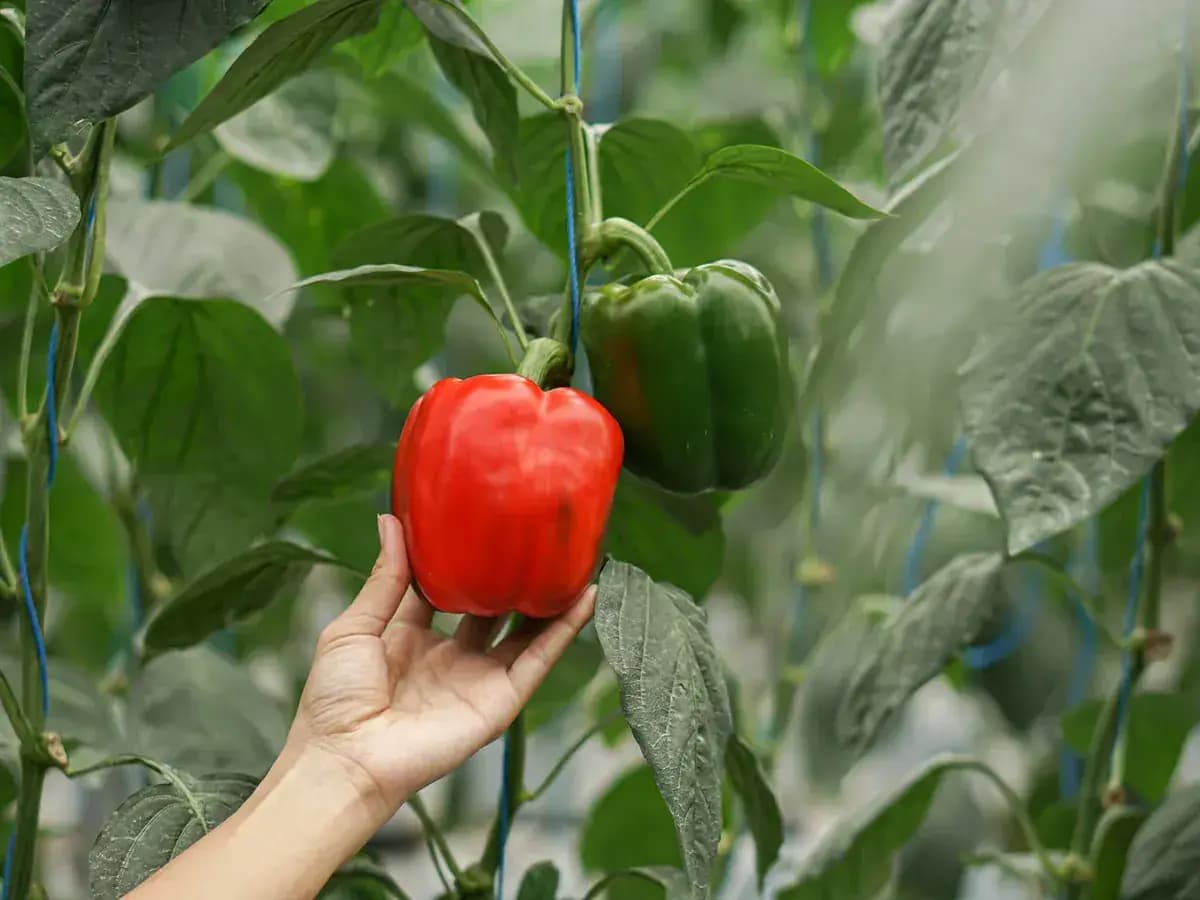
| Rain, hail and strong sun | Crop can be damaged or lost | Crop is protected |
| Pests | High, with more spraying | Lower: insect net keeps most out |
| Growing season | Only in the right season | Year-round |
| Water | Flood or sprinkler | Drip, at the roots only |
| Produce | Uneven | Uniform, cleaner, better price |
| Upfront cost | Low | About ₹53.5 lakh per acre turnkey before GST |
When the switch makes sense
Protected cultivation pays when you grow high-value crops and sell into a steady market: city mandis, retail chains, hotels or exporters. If you are growing low-value staples, the extra cost of the structure is hard to recover.
You can lower the upfront cost by buying the material directly and using your own crew, and by applying for NHM / MIDH or NHB subsidy before you buy.
Terms used on this page
- NVPH
- A polyhouse that is cooled by air moving through roof vents and roll-up side curtains, without fans. It has the lowest running cost and suits most crops and climates.
- Insect net mesh
- The number of openings per inch in an insect net. A finer mesh keeps out smaller insects such as whiteflies and thrips, but also lets less air through.
Get NVPH material from India's biggest CEA manufacturing company
Choose your size and see every item, quantity and weekly rate before you pay.
FAQs
How much more yield does a polyhouse give?
It varies by crop and management, but the bigger gain is reliability: you harvest through seasons when an open field would be lost to rain, heat or pests.